Garden Clearance in Herne Hill

Garden clearance in Herne Hill is a practical way to deal with overgrown borders, awkward green waste, broken outdoor items and the general buildup that can make a garden harder to use. We provide a straightforward service for removing material from front gardens, back gardens, patios and side returns, with the aim of leaving the space tidy and ready for its next stage. If you need one-off help after a seasonal cutback or a larger clearance before landscaping, our work can be shaped around the task rather than forcing it into a fixed format.
Our service covers the removal of common garden waste such as branches, hedge trimmings, grass cuttings, weeds, leaves, soil in manageable quantities and other outdoor debris. It can also include unwanted plant pots, damaged furniture, old timber and general items that have been left outside over time. Clearance is not the same as routine gardening: it is about taking away the material once it has been cut back, gathered or made ready for collection. That distinction helps when the garden has been neglected or when the amount of waste is too much for ordinary bin collections.
For a clear quote, it helps to describe the size of the area, the type of waste and any access points that may affect loading. A simple list is often enough, though photos can make the estimate more accurate when there are mixed materials or bulky items involved. If you would like to compare options for removal and disposal, our pricing and quotes page sets out the usual factors that shape the work. You can also request a quotation when you are ready.
Garden waste removal and green material
Garden waste removal is usually the core part of the job, especially where a property has accumulated a mix of cuttings, stems, roots and other organic material. We separate practical clearance from simple tidying by focusing on what needs to be taken away, loaded safely and removed from the property. That approach suits jobs after pruning, clearing a beds-and-borders area, or dealing with the remains of a larger seasonal cutback where the pile is too awkward to manage by ordinary household disposal.
Different types of green waste need different handling. Loose leaves and light cuttings can often be gathered efficiently, while thicker branches and woody growth may need bundling or breaking down first. Soil, turf and heavier spoil can also affect loading because they add weight quickly, so it is useful to be specific about what is present. Mixed loads are common in gardens, and separating them carefully helps the clearance run more smoothly and keeps the right material together for disposal.
How we approach mixed outdoor waste
When a garden contains both green waste and non-organic items, the work is easier to plan if those categories are identified in advance. Old fencing offcuts, broken plant supports, cracked containers and weathered furniture often sit alongside natural debris, but each item affects the clearance in a different way. A sensible plan focuses on lifting, sorting and removing the material without leaving loose waste behind. That is especially useful where pathways are narrow or where access is shared.
Overgrown gardens and heavy cut-back work
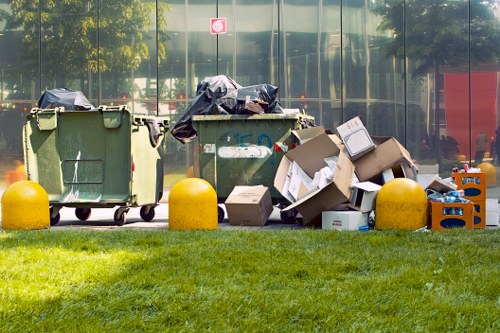
Overgrown gardens often need more than a simple collect-and-go approach. Long grass, thick bramble growth, tangled stems and fallen branches can hide other waste and make it harder to see what needs removing. In those cases, the work usually starts with a careful assessment of the area so that the clearance can proceed in a safe order. The objective is to remove the material that is no longer wanted while keeping walkways, sheds, fences and planted areas in mind.
Some gardens contain compacted piles that have built up over time. These may include layers of clippings, dead growth, broken canes or unusable timber, and they can be awkward to shift without breaking the load into sections. We can deal with that kind of accumulation by taking away the waste in stages, which is often better than trying to move everything at once. The result is a tidier space and a clearer view of what remains in the garden.
For more structured planning, it helps to think about the clearance in terms of access, volume and the type of waste involved. An easy path to the garden can make removal simpler, but some jobs still need the material carried through the property carefully. If you are comparing wider waste options, our garden clearance service page gives a clear overview of the main work, while general waste removal may be useful when the garden load forms part of a broader collection.
Bulky outdoor items and broken garden equipment
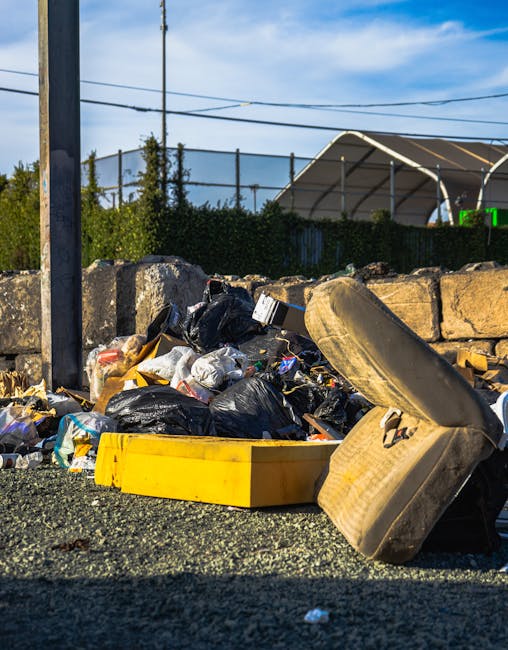
Garden clearances often include more than green waste. Broken benches, damaged tables, old planters, cracked water butts, worn storage items and collapsed shelving can all be part of the job. These objects take up room, may be weathered into awkward shapes and can be difficult to move if they have been outside for a long time. Clearance makes it easier to dispose of those items in one organised visit rather than leaving them to build up around the garden.
Items made from wood, plastic, metal and mixed materials can be handled together where appropriate, but it is still helpful to mention them in advance. Some outdoor items are light but bulky, which affects carrying space, while others are heavy because they have absorbed water or soil. We aim to remove them carefully and efficiently, with attention to the route from the garden to the collection point. That can save time and reduce the chance of damage on the way out.
If you need to clear out other parts of the property at the same time, related options such as furniture clearance or home clearance may be relevant, depending on what is being removed. The right choice depends on whether the focus is mainly outdoor waste, indoor belongings or a mixed load that includes both. A good quotation is usually based on the actual items rather than a rough guess.
Preparing a quote and understanding what affects cost
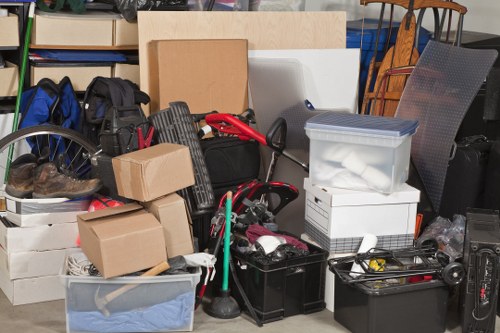
Garden clearance quotes are normally shaped by the amount of waste, the mixture of materials, the ease of access and whether anything needs extra handling before it can be removed. A small pile of clippings is a very different job from a deep clearance with branches, timber, old garden furniture and spoil. The more accurately the contents are described, the easier it is to give a fair estimate. If the garden has steps, a shared passage, a rear lane or a narrow entry point, that may also influence the planning.
Useful details usually include the approximate size of the clearance, the type of waste, whether the garden is at the front or rear of the property and whether there are any heavy or awkward items. A few clear notes are often enough, though a photo can help when the load is mixed or difficult to judge. Good information leads to a clearer quotation, especially where there is a combination of green waste and bulky pieces that need different handling.
When comparing services, it is sensible to look at both the clearance itself and the way the business handles disposal. Our recycling and sustainability page explains how material is approached after collection, while payment and security sets out the practical side of arranging the job. If you are ready to move forward, keep your details simple and accurate, and ask for a quotation based on the actual waste present rather than a general description.
Outdoor spaces that need careful sorting
Some gardens contain a mixture of tidyable waste and items that are simply in the wrong place. Old compost bags, plant labels, cracked trays, disused tools, loose timber and garden edging can all end up together, especially after a period of neglect or repeated small jobs. Sorting them properly matters because it keeps the clearance organised and helps avoid missed items. We focus on gathering the material in a way that makes the space usable again once the unwanted items have gone.
There are also jobs where the main task is not volume, but awkwardness. A few heavy pieces tucked behind sheds or along fences can take longer than a larger pile that is easy to reach. That is one reason it helps to describe the layout as well as the waste itself. If a garden has narrow gates or limited parking nearby, planning the loading route early can make the clearance more efficient. The more direct the access, the easier it is to complete the work without unnecessary disturbance.
For customers who need a broader property clean-out, flat clearance or house clearance may be worth considering where outdoor waste is part of a larger decluttering project. Where the main concern is the outdoor space alone, keep the enquiry focused on the garden items so the quotation matches the work that actually needs doing.
About Herne Hill
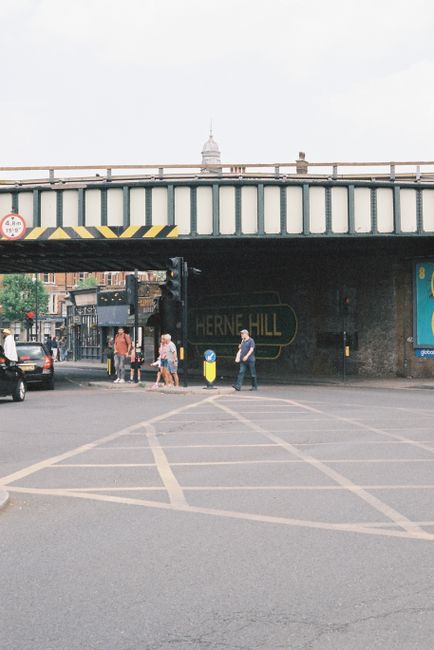
Herne Hill is a south London district straddling the boundaries of the London Borough of Lambeth and the London Borough of Southwark. It sits between Brixton, Dulwich and Denmark Hill, with Brockwell Park forming one of its best-known open spaces. The area takes its name from the hill that rises gently above surrounding districts, and much of its character comes from the mix of residential streets, small local centres and the broad green setting around the park. Brockwell Park itself is a major landmark, offering a large public landscape with formal gardens, playing fields and long-established routes used for walking and leisure.
The area is also known for Herne Hill station, an important rail junction that has served local and regional movement since the nineteenth century. Around it, Victorian and Edwardian terraces contribute to the local streetscape, with many roads lined by period housing, mature trees and varied brick detailing. The nearby conservation areas and the wider suburban grain give the district a settled feel, while the shopping parade and local venues keep the centre active. Brockwell Lido, another familiar landmark, adds to the park’s identity and reflects the long recreational history of the area.
Herne Hill has a strong sense of local continuity shaped by its transport links, residential architecture and access to open space. The River Effra once influenced the wider landscape, even though much of it is now hidden below ground, and the district’s geography still reflects the gentle rise of the land. Community life is visible through the park, local events and independent businesses clustered near the station. As a place, it combines everyday neighbourhood function with clear historic layers, making it distinct within south London while remaining closely connected to the surrounding boroughs.
Garden clearances for seasonal work and one-off tidying
Many garden clearance jobs are triggered by seasonal change. Spring growth can leave borders crowded and pathways obscured, while autumn often brings fallen leaves, cut back stems and a steady accumulation of debris. One-off tidying after a long period without maintenance can be more substantial still. In either case, the service is about restoring order to the outdoor area so that the space is easier to manage afterwards. It is not limited to one particular garden style or property size.
Seasonal clearances often benefit from a practical sequence: gather the waste, separate reusable material if needed, and remove the items that no longer belong in the space. That sequence is useful whether the garden is neatly arranged or more unruly. A typical clearance may involve sorting through beds, picking up loose material from patios, moving waste from behind sheds and dealing with any leftover items from pruning or landscaping. Organisation matters as much as lifting, because it keeps the job clear and reduces the chance of missing small but important pieces.
If the clearance is part of a wider property refresh, related pages such as loft clearance and garage clearance may help when storage spaces are also due for attention. For outdoor work alone, a concise enquiry with the type of waste and the garden layout is usually the best starting point. That makes it easier to match the quotation to the actual job.
Handling access, loading and the condition of the garden

Access is a practical part of most garden clearances and often determines how the work is carried out. Some gardens have direct side access, while others require waste to be carried through a house, along a passage or around steps. The condition of the ground also matters, especially after rain or in overgrown areas where footing is uneven. A careful approach keeps the clearance controlled and helps avoid avoidable disruption to the rest of the property.
Loading is simpler when the waste has already been gathered into a sensible location, but not every garden allows that. In a tight space, the removal may need to be done in smaller loads so that the route stays clear and the work remains manageable. It can also help to note whether any items are delicate, fixed in place or mixed with planting that should not be disturbed. Those details allow the clearance to be planned around the garden rather than forcing the garden to fit the clearance.
To get started, think in practical terms: what needs removing, how much there is, and how it can be reached. Then decide whether you want a small tidy-up clearance or a more complete removal of outdoor waste and bulky items. When you are ready, request a quotation and send the essential details so the job can be assessed accurately and arranged without unnecessary back-and-forth.
What can be included in a garden clearance
Garden clearance can cover a wide range of outdoor material, provided it is described clearly and can be handled safely. Typical examples include hedge trimmings, branches, cut grass, weeds, dead plants, leaves, old compost, broken pots, timber offcuts and worn outdoor accessories. In some cases, the job also includes tidying away loose rubbish that has collected in the garden over time. The key is that the clearance should match the actual state of the space, not an idealised version of it.
Some gardens contain a few simple items, while others have layers of waste spread across the whole area. The latter often needs a more methodical approach, starting with the most accessible material and working through the rest in sections. That can be especially helpful where a garden has become difficult to walk through or where the waste has been left in different corners. Good clearance work is calm, orderly and focused on removing what should no longer be there.
For jobs that involve outdoor and indoor items together, a combined approach may be useful. Our furniture disposal page covers items that are ready to be taken away, and builders waste clearance may suit material left after hard landscaping or related works. Choosing the right service type helps keep the quotation accurate and the collection straightforward.
Planning a tidy finish
A good garden clearance does more than remove waste. It should leave the area in a condition that makes further gardening, repair or redesign easier. That may mean taking away the obvious piles, clearing around paths and borders, and making sure loose items are no longer scattered where they can catch underfoot. Where practical, we can work through the garden in a way that respects planted areas and existing features while still removing the unwanted material efficiently.
Sometimes the most useful outcome is simply visibility. Once excess waste has gone, it is easier to see what the garden actually needs next, whether that is pruning, replanting, repair work or a more complete redesign. This is one reason garden clearance is often a sensible first step before any larger outdoor project. It creates a clean starting point without assuming what the customer wants to do afterwards.
If you are deciding between services, look at the type of waste first and choose the page that best matches it. For outdoor clearances focused on green waste and garden debris, this service is the right fit. If your enquiry includes mixed household items or storage space contents, another clearance page may be more suitable. Keep your enquiry brief, accurate and specific so the quote reflects the real task.