Garden Clearance Herne Hill — Recycling and Sustainability
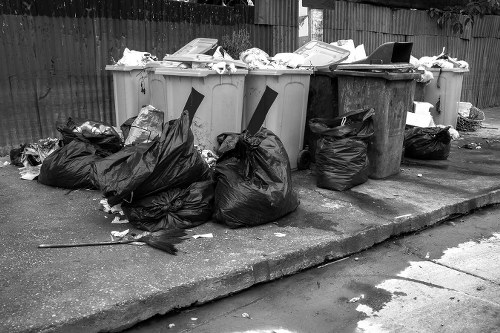 Garden Clearance Herne Hill is committed to an eco-first approach to garden waste removal and sustainable rubbish area management across Herne Hill and neighbouring boroughs. Our aim is to offer an environmentally responsible alternative to fly-tipping and landfill disposal, focusing on resource recovery, reuse and low-carbon transport. We work to ensure that garden clearance in Herne Hill diverts as much material as possible into useful new life streams — compost, reclaimed timber, brick reuse and community projects — while following local boroughs' guidance on waste separation.
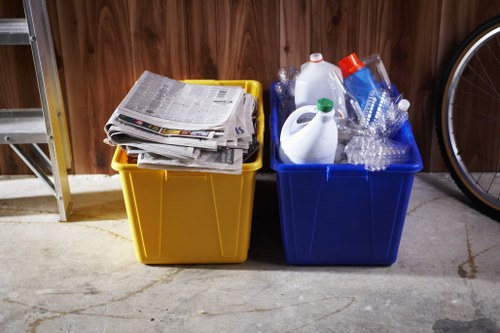
Our local operations align with the London boroughs' approach to waste separation: dry recycling (paper, card, glass and cans), food waste collection, and dedicated green waste routes. We adapt our garden clearance services to the existing municipal systems, helping residents and community groups separate materials at source so that what we collect complements council collections and civic amenity site requirements. Working with the boroughs' separation policies reduces contamination and increases the rate of successful recycling.
Recycling percentage target and reporting
We have set a measurable recycling percentage target: to divert a minimum of 75% of all garden clearance material from landfill by the end of 2028. This target covers green waste, salvaged bricks and pavers, timber suitable for reuse, soils that can be screened and returned, metals and clean construction waste. Our monthly audits and quarterly public reports track progress against the target, and we continually refine operational routes and sorting to improve outcomes. We aim to make the sustainable rubbish area for Herne Hill a model for local contractors.
Processing and transfer — local transfer stations
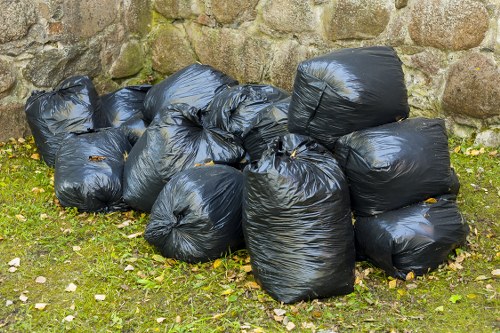
Collected materials are taken to appropriate facilities: municipal transfer stations, civic amenity sites and specialist recycling centres in Lambeth and neighbouring boroughs. We partner with licensed local transfer stations and community reuse hubs so that green waste enters composting and anaerobic digestion streams, wood is chipped for mulch and biofuel, and inert materials are sorted for recycling. Our route planning minimises double handling and ensures material moves efficiently between the urban kerbside and transfer depots.
Below are the core recycling and diversion activities we undertake:
- Segregation of green waste for composting and mulching
- Salvage of stone, brick and paving for reuse
- Timber recovery for reclamation or chipping
- Separation of metals, plastics and glass for local recycling streams

Partnerships with charities and community groups
We maintain active partnerships with charities and local organisations to maximise social benefit from garden clearance in Herne Hill. Usable plants, planters and soil are donated to community gardens and allotment groups; furniture and reclaimed materials are offered to shelters and social enterprises that run reuse shops. These collaborative arrangements reduce waste, support local social projects and create a circular flow of materials. Our charity partners and community reuse hubs receive regular deliveries of salvaged items that would otherwise be discarded.
Examples of partnership outcomes include community raised beds rebuilt with reused sleepers, timber donated for youth carpentry programs and clean soil returned to urban allotments. These initiatives turn clearance work into a source of local value while keeping materials out of landfill.

Low-carbon vans and operational efficiency
To reduce emissions, our fleet includes electric and hybrid low-carbon vans alongside strict route optimisation software to cut mileage. Where heavier loads are necessary, we prioritise Euro 6 vehicles and combine trips to transfer stations to limit CO2 output. Drivers are trained in eco-driving and load compaction techniques that reduce the number of journeys required, contributing to a smaller carbon footprint for garden clearance Herne Hill services.
Operational highlights:
- Electric vans for local short-distance pickups
- Hybrid and low-emission diesel for heavier loads
- Route optimisation to lower fuel consumption and emissions
Our commitment is to continuous improvement: moving more collections to electric vehicles as charging infrastructure allows, and adapting to new low-carbon technologies as they become cost-effective.
How residents can help
Residents requesting garden clearance in Herne Hill can help by separating materials where practical: keeping soil and turf apart from woody waste, bagging small plastics and segregating metal and glass. This simple pre-sorting aligns with borough recycling schemes (paper/card, mixed recycling, food and residual waste) and means a higher proportion of material can be handled by local transfer stations and recycling centres rather than being classed as contaminated waste.
Small actions — like removing unsuitable items from garden waste and saying yes to salvage — make a big difference. By coordinating with local collection calendars and civic amenity sites, we ensure that large clearances support rather than disrupt municipal recycling targets.
In summary, our approach to garden clearance in Herne Hill and the surrounding sustainable rubbish area focuses on a clear target for recycling, partnerships with charities and community reuse projects, the use of low-carbon vans, and efficient use of local transfer stations. Together with residents and borough services, we are building a more circular, low-emission model for garden waste — one that protects green spaces and ensures materials are recycled, reused or returned to the soil whenever possible.