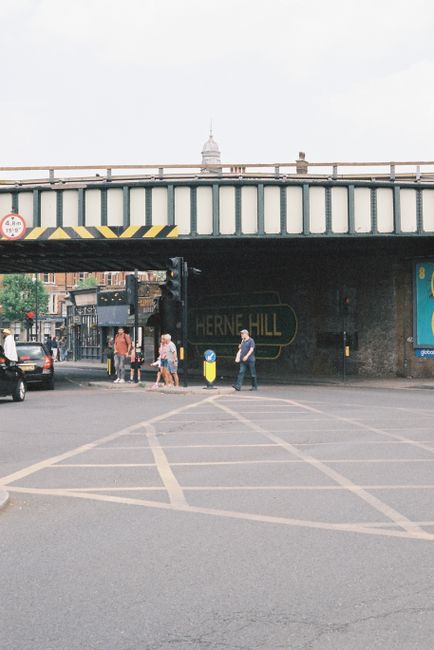
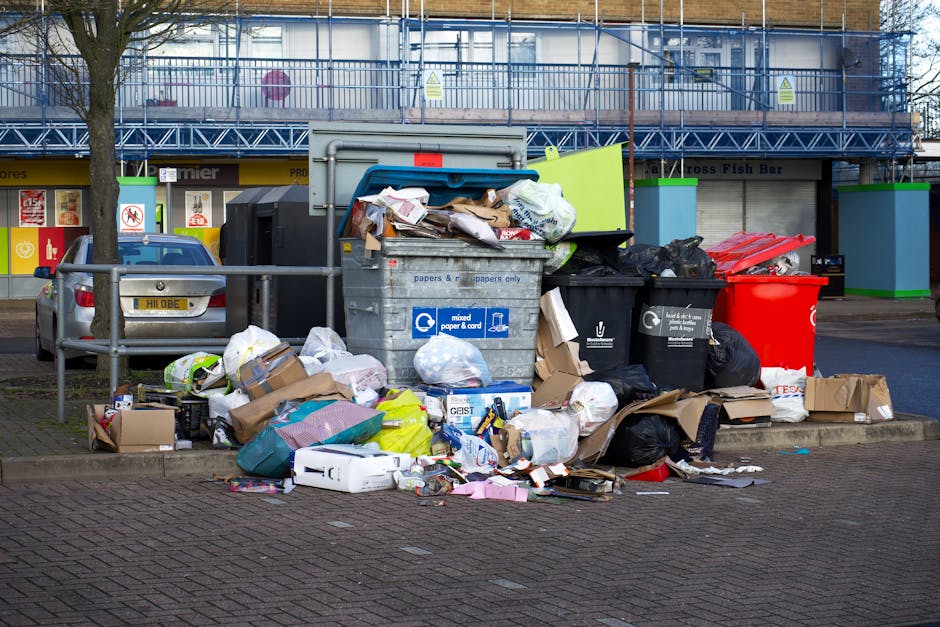
Rubbish removal pricing guide Herne Hill real cost explained
If you have ever stared at a pile of bagged rubbish, broken furniture, or a half-cleared loft and wondered what it will actually cost to get rid of it, you are in the right place. This rubbish removal pricing guide for Herne Hill explains the real cost drivers in plain English, so you can compare quotes without feeling like you need a calculator, a tape measure, and a small miracle.
Truth be told, most people do not want the cheapest number on paper. They want a fair price, no nasty surprises, and a team that turns up, clears the lot, and leaves the place tidy. That is what this guide is designed to help you judge. We will cover how rubbish removal pricing is typically worked out, what pushes the price up or down, when it makes sense to book a collection, and how to avoid paying for waste you could have prepared more efficiently.
Along the way, we will also point you towards useful service pages such as waste removal, furniture disposal, and recycling and sustainability, because a good price is only part of the story. The rest is knowing what you are paying for.
Contents
- Why rubbish removal pricing in Herne Hill matters
- How rubbish removal pricing works
- Key benefits and practical advantages
- Who this is for and when it makes sense
- Step-by-step guidance
- Expert tips for better results
- Common mistakes to avoid
- Tools, resources and recommendations
- Law, compliance, standards and best practice
- Options, methods and comparison table
- Case study or real-world example
- Practical checklist
- Conclusion
- Frequently asked questions
Why rubbish removal pricing in Herne Hill matters
Pricing matters because rubbish removal is one of those services where the final bill can change quite a lot depending on what is being taken away, how easy it is to access, and where it needs to go after collection. In Herne Hill, that can mean anything from a small flat clearance near a busy street to a larger house clearance with awkward access, stairs, or on-street loading limitations. The more complex the job, the more careful the pricing has to be.
That sounds obvious, but it is where people get caught out. A quote that looks cheap may not include labour, loading time, congestion in the area, disposal charges, or the extra cost of handling mixed waste. On the other hand, a quote that feels high may actually be sensible if it includes sorting, lifting, transport, recycling, and responsible disposal. The real question is not simply "what's the cheapest?" It is "what am I getting for the money?"
Herne Hill also has the usual London realities: limited parking, narrow access in some properties, and the need to work efficiently. Those things affect the job, and they affect pricing. If you know that up front, you are much less likely to feel frustrated later.
Key takeaway: the "real cost" of rubbish removal is usually a blend of volume, weight, labour, access, and disposal requirements - not just the number of bags at the kerb.
If you are comparing options, the most useful starting point is a service that is transparent about pricing. A page like pricing and quotes should help set expectations before anyone even arrives.
How rubbish removal pricing works
Most rubbish removal pricing in the UK is built around a few core factors. Some providers price by the load, some by volume, some by weight, and many use a combination. In practice, that means you may see a quote based on how much space your rubbish will take in the vehicle, how long the collection is likely to take, and whether any items need special handling.
1. Volume is usually the main starting point
As a rule, the more space your waste occupies, the more it will cost. A few black sacks might be a quick and cheap collection. A full garage or loft clearance is a different conversation entirely. You do not need to measure everything with surgical precision, but it helps to think in terms of small, medium, or large loads.
2. Weight can push the price up
Heavy waste costs more because it is harder to move and more expensive to process. Soil, rubble, tiles, plasterboard, and similar materials are often priced differently from light mixed rubbish. If your waste is mostly heavy construction debris, a standard "general waste" quote may not be accurate.
3. Access changes the job
Easy driveway access is a very different job from carrying items down three flights of stairs, through a narrow hallway, and past a parked car. In many Herne Hill properties, access is one of the biggest pricing variables. If the team needs extra time and effort to load the waste safely, that may be reflected in the quote.
4. Labour is built into the price
Some people assume rubbish removal is just about the van. Not really. You are paying for people to lift, sort, carry, load, and dispose of the waste properly. A two-person crew can be more efficient than one person, and sometimes that actually saves money because the job is done faster.
5. Disposal route matters
Not all waste goes to the same place. Recyclable items, green waste, furniture, builder's waste, office items, and mixed rubbish may each follow different disposal routes. If you want better environmental performance, a provider with a clear approach to recycling and sustainability is worth considering.
In short: if two quotes look very different, it is usually because one provider has priced more of the real job into the figure. Sometimes that difference is justified. Sometimes it is not. You have to look under the bonnet a bit.
Key benefits and practical advantages
The main benefit of professional rubbish removal is simple: it saves time, effort, and stress. But there are a few less obvious advantages too, and these are the ones people often appreciate once the job is done.
- Less physical strain: no dragging wardrobes, broken shelving, or bag after bag up the stairs.
- Faster turnaround: a booked collection often clears the space in one visit.
- Better disposal outcomes: recyclable material can be separated more effectively than if it is left in a mixed pile.
- Cleaner result: a proper removal service does not just take the items, it helps restore order to the space.
- Less uncertainty: a clear quote is easier to budget around than a string of small ad hoc costs.
There is also peace of mind. Let's face it, nobody enjoys spending a Saturday morning making repeated trips to a tip with a hatchback that is already full of one broken table and the remains of a shelf unit. Professional rubbish removal is often the sensible answer when the job is bigger than you first thought.
If the work is part of a broader clean-out, services such as home clearance, garage clearance, or loft clearance can be a more efficient way to handle the whole project at once.
Who this is for and when it makes sense
This guide is for anyone in Herne Hill who needs rubbish gone without overpaying or overcomplicating things. That includes homeowners, renters, landlords, letting agents, office managers, and tradespeople. If you are looking at a pile of stuff and thinking, "I need that gone by tomorrow, not next month," you are in the right place.
It makes particular sense in these situations:
- you are clearing out a flat after a move;
- you have old furniture, broken appliances, or mixed household waste;
- you are dealing with post-renovation debris;
- you have a garden or garage that has quietly become a storage unit;
- you need a business space cleared quickly before reopening or re-letting;
- you want a quote that reflects the actual job rather than a vague estimate.
For flats, access and communal areas can make the job slower, so a provider experienced in flat clearance may be the better fit. For offices, something more specialised like office clearance can help with desks, filing cabinets, and bulky equipment.
To be fair, sometimes the "right" option is not a full service at all. If you only have a small amount of waste, a lighter collection or a focused item removal may be enough. The trick is matching the service to the job.
Step-by-step guidance
If you want the most accurate rubbish removal price, follow a straightforward process. It sounds simple, but this is where people often save real money.
- Sort the waste by type. Separate general rubbish, furniture, garden waste, builder's waste, and anything bulky.
- Estimate the amount. Think in terms of how much space the waste takes up, not just how many items there are.
- Check access. Note staircases, tight corners, parking restrictions, and whether the team can park close by.
- List heavy or awkward items. Mattresses, wardrobes, rubble, and white goods can change the pricing.
- Ask what is included. Confirm labour, loading, disposal, and whether VAT or other charges are already covered.
- Request a transparent quote. A proper quote should explain the basis of the price, not just produce a number from nowhere.
- Prepare the space. Move anything you want to keep and make the waste easy to access if you can.
- Confirm collection details. Time, access instructions, and any parking notes matter more than you might think.
A little preparation goes a long way. One quick tidy of the route to the front door can save a surprising amount of time on the day. It is the sort of thing you only notice once you have done it yourself.
Expert tips for better results
Here is where the pricing guide gets practical. A few small decisions can make the final cost much more predictable.
Be specific about what is being removed
"A bit of rubbish" is not enough detail for a reliable quote. The difference between mixed household waste and a stack of old furniture can be significant. If in doubt, send clear photos and list the larger items separately.
Bundle jobs together where it makes sense
If you already know you need a sofa removed, a few bags taken, and a garage cleared, ask whether it is cheaper to combine them in one visit. Multiple small bookings can end up costing more than a single well-planned one.
Think about sorting before collection
Separating reusable furniture, recyclable material, and general rubbish can make the job cleaner and sometimes cheaper. It also supports better environmental outcomes. A good furniture clearance or furniture disposal service will usually be clearer about what happens to each category of item.
Ask about tricky access early
Parking in London can be the detail that changes everything. If there is no space nearby, or the crew has to walk a long way with heavy items, mention it before the quote is confirmed. Nobody enjoys awkward surprises on collection day, least of all the people carrying a wardrobe downstairs.
Check payment expectations in advance
It is sensible to understand how payment works before the job starts. For a smooth process, review the company's payment and security information if it is available.
Common mistakes to avoid
There are a few classic mistakes that make rubbish removal more expensive than it needs to be. Nothing dramatic, just the sort of thing people do when they are busy or slightly overwhelmed.
- Not separating waste types: mixing everything together can lead to higher disposal costs.
- Guessing the volume too loosely: underestimating the load can mean a price adjustment on the day.
- Forgetting access issues: stairs, lifts, parking, and narrow hallways all matter.
- Leaving the hard stuff until the end: the heavy or awkward items are often the ones that affect pricing most.
- Comparing only the headline figure: a quote without details is not much use.
- Not checking what happens after collection: if recycling matters to you, ask how the waste is handled.
One more small one: people sometimes assume all "rubbish removal" services are identical. They are not. A provider that specialises in builders waste clearance may be the right choice after renovation work, while a general waste removal service may be better for mixed household items. Matching the job to the service is half the battle.
Tools, resources and recommendations
You do not need fancy tools to estimate rubbish removal cost, but a few basic things help a lot.
- Phone photos: clear pictures of the waste and access route make quoting easier.
- Room-by-room notes: especially useful for home, house, or flat clearances.
- A rough list of item types: furniture, garden waste, rubble, office equipment, and general rubbish should be separated in your notes.
- Simple measuring tape: handy if you are dealing with large items like wardrobes or sofas.
- A clear collection window: be ready to explain whether the job is urgent or can be planned a few days ahead.
If you are uncertain how your job fits together, it can help to look at the relevant service pages first. For example, house clearance suits larger domestic clear-outs, while garden clearance is more suited to branches, cuttings, soil, and outdoor debris. Small distinction, big pricing difference.
And if you want to understand the company side a bit better, the about us page can help you judge whether the team feels trustworthy and well set up for the work.
Law, compliance, standards and best practice
For rubbish removal, compliance is not a box-ticking exercise. It is part of the real cost and part of the service quality. In the UK, waste has to be handled responsibly, and reputable providers should be able to explain how they manage collection, transport, recycling, and disposal in a sensible way.
You do not need a legal lecture, but you do need confidence that the waste will not just disappear into a mystery van situation. Best practice usually means proper handling of waste, reasonable care with sorting, and clear attention to safety. If you are a business customer, it becomes even more important to ensure the service aligns with your own duties around waste storage, handling, and record-keeping.
Health and safety also matters. Heavy lifting, sharp debris, broken glass, and awkward furniture are all routine risks in waste removal. A company with clear health and safety policy information and proper insurance and safety standards gives you a stronger footing if something unexpected happens.
If your project involves a business premises, you may also want to review business waste removal to make sure the service fits your operational needs. Not glamorous, I know, but it matters.
Options, methods and comparison table
There is no single "best" rubbish removal method. The right choice depends on the type of waste, the amount, the urgency, and how much lifting you want to do yourself.
| Option | Best for | Typical advantages | Possible drawbacks |
|---|---|---|---|
| Professional rubbish removal | Mixed household waste, bulky items, time-sensitive clear-outs | Fast, convenient, less lifting, clear end result | Can cost more than self-disposal for very small loads |
| Specialist clearance service | Lofts, garages, flats, offices, furniture-heavy jobs | Better suited to the job, often more efficient | Needs accurate description of the contents |
| DIY disposal | Small volumes, people with time and transport | Can be cheaper on paper | Time-consuming, tiring, parking and transport hassle |
| Item-only removal | One or two large items | Simple and focused | Not ideal for larger mixed loads |
For a few bulky pieces of furniture, a targeted collection may be enough. For a more complete clear-out, a service geared to garage clearance or loft clearance often works better than piecing together several separate removals.
Case study or real-world example
Here is a realistic example from the kind of job people often face in Herne Hill. A couple moving out of a top-floor flat have a sofa, a broken bed frame, three bags of mixed rubbish, a coffee table, and a few bits of cardboard and old shelving. At first glance it looks small. Then you see the stairs. Then you notice the narrow landing. Then you remember the parking situation. Suddenly it is no longer a five-minute job.
The sensible approach is to group the items, send photos, and get a quote based on the actual access and load. If the provider is experienced, they can usually tell quite quickly whether it is a small, medium, or larger collection. In many cases, that produces a more honest price than trying to "just wing it" on the day.
Now imagine the same customer had also left a few items in the communal hallway. That changes the situation again, because the crew may need to spend extra time moving things safely and without disrupting neighbours. This is why a realistic description matters so much. Small details, big impact. Always.
If the flat also needed a full clear-out, then a more specific service like flat clearance would be more appropriate than a general one-off item removal. That is the difference between a neat quote and a messy one.
Practical checklist
Use this checklist before you request a quote or book a collection.
- Have I separated the waste into rough categories?
- Do I know whether the load is light, mixed, or heavy?
- Have I taken clear photos of the waste?
- Have I noted stairs, parking limits, or tight access?
- Do I know if any items need special handling?
- Have I checked whether I need a full clearance or just a few items removed?
- Have I asked what the quote includes?
- Do I understand how the waste will be handled after collection?
- Have I confirmed payment expectations?
- Have I chosen a service that fits the type of waste, not just the price?
A tiny bit of preparation can save a lot of back-and-forth later. And yes, it is one of those jobs that feels boring for about five minutes, then very useful for the next five days.
Conclusion
The real cost of rubbish removal in Herne Hill comes down to a few sensible factors: what you need removed, how much there is, how hard it is to access, and how responsibly it needs to be handled. Once you understand those pieces, pricing becomes much easier to judge. No mystery. No drama.
If you are comparing options, focus on clarity, not just the headline figure. The most reliable quote is usually the one that reflects the actual job rather than the bare minimum. That means better planning, fewer surprises, and a smoother collection day. Which, let's be honest, is what most people really want.
If you are ready to take the next step, explore the relevant service pages, check the pricing guidance, and make sure the quote reflects your space, your waste type, and your timing. A well-matched service tends to pay for itself in peace of mind.
Get a free quote today and see how much you can save.
Frequently Asked Questions
How is rubbish removal priced in Herne Hill?
It is usually priced by a mix of volume, weight, labour, and access. Some jobs are straightforward, but awkward access, heavy waste, or mixed materials can increase the cost.
Why do rubbish removal quotes vary so much?
Quotes vary because every job is different. The size of the load, the number of items, stairs, parking, and disposal type can all affect the final figure.
Is it cheaper to clear rubbish myself?
Sometimes yes, especially for very small loads. But once you factor in time, transport, fuel, parking, and the physical effort involved, professional removal can make better sense.
What information should I give for an accurate quote?
Send clear photos, list the main items, explain the access, and mention anything heavy or awkward. The more specific you are, the more accurate the quote will be.
Does mixed rubbish cost more than sorted waste?
It often can. Sorted waste is generally easier to handle and may be cheaper to dispose of than a mixed pile containing different material types.
What counts as bulky waste?
Large items like sofas, wardrobes, mattresses, desks, bed frames, and similar furniture usually count as bulky waste. Exact handling depends on the service and the item type.
Can I book rubbish removal for a flat with difficult access?
Yes, but you should mention the access details early. Flats with stairs, limited parking, or narrow corridors often need a more careful quote.
What is the difference between rubbish removal and house clearance?
Rubbish removal is often better for mixed waste or smaller loads. House clearance is usually more suitable when you are clearing many rooms or an entire property.
Do I need a special service for garden waste?
Usually yes, or at least a service that handles green waste properly. Branches, soil, cuttings, and outdoor debris can be handled differently from household rubbish.
How can I keep costs down without cutting corners?
Sort the waste, be honest about the volume, prepare access where possible, and choose the right service type. That combination usually gives the best value.
Should I worry about how the waste is disposed of?
Yes, at least a little. Responsible handling matters for environmental reasons and for peace of mind. A good provider should be transparent about recycling and disposal practices.
What if I only have one or two large items?
Then an item-focused collection or furniture removal option may be enough. It is often simpler and more cost-effective than booking a larger clearance service.
How do I know if a quote is fair?
Compare what is included, not just the price. A fair quote should explain labour, loading, disposal, and any access factors clearly enough that you can make a sensible decision.
Where can I learn more before booking?
Useful starting points include the service pages for waste removal, pricing and quotes, and recycling and sustainability. If you still have questions, the team's contact us page is the obvious next stop.